
POTMAC RIVER SEWAGE SPILL: SOMETHING STINKS ABOUT ODOR CONTROL FACILITY 17
THERE ARE SIX MANHOLES CLUSTERED ALONG THE POTOMAC INTERCEPTOR IN CLOSE PROXIMITY TO THE COLLAPSE: WHEN AND WHY WERE THEY INSTALLED

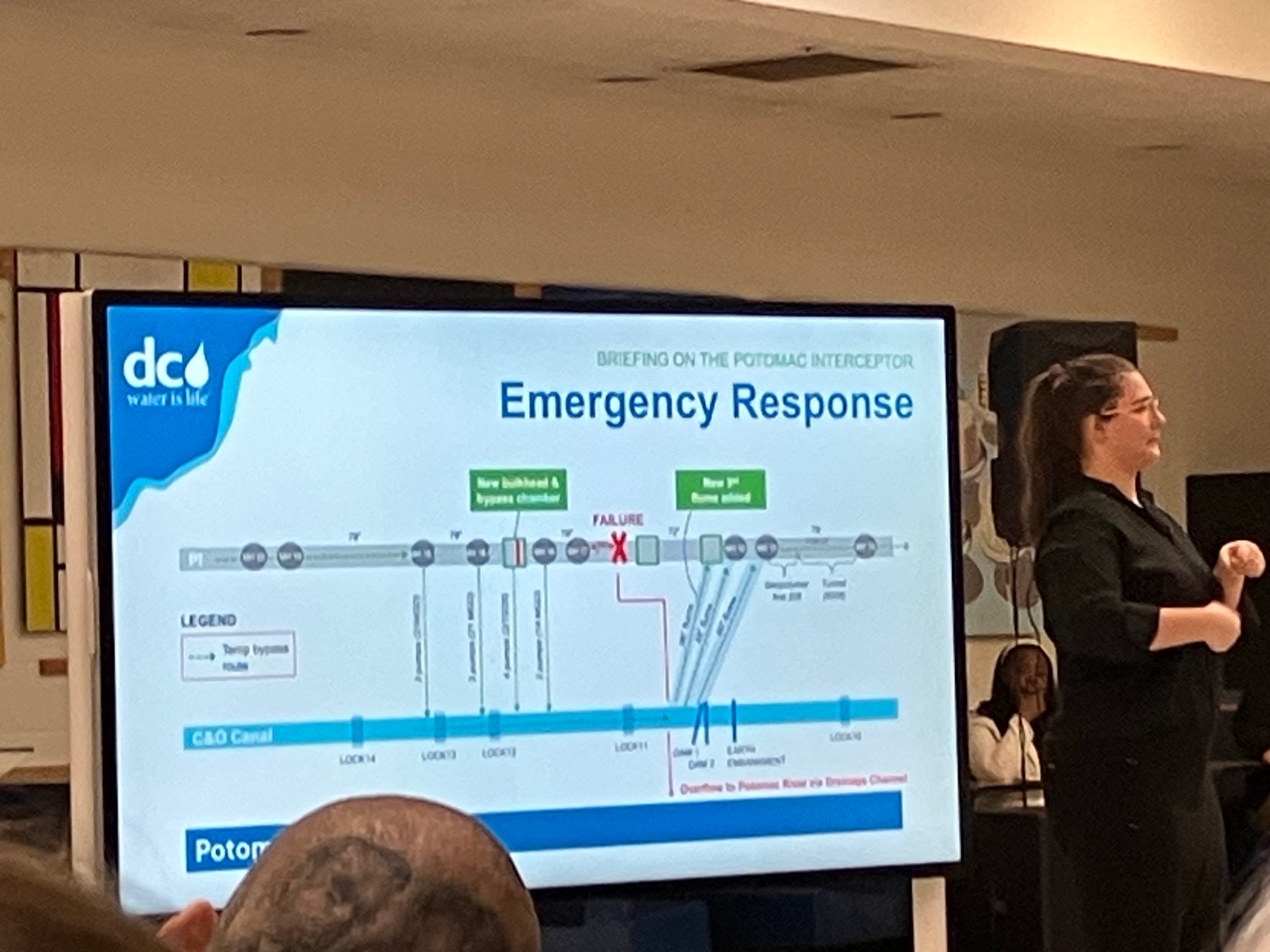
The sketchy narrative offered by D.C. Water officials about the collapse of the Potomac Interceptor pipeline is unraveling further.
In the diagram above, the red X marks the spot of the collapse. The green square just downstream designates Odor Control Facility 17, and all those grey circles are the nearby manholes. But they are not sixty years old and fragile, as D.C. Water would have us believe. No, some, if not all of them, were installed within the last twelve years.
So, if there were manholes installed during the construction of Odor Control Facility 17, and those manholes intersect with the old, fragile pipeline, could that have caused the collapse?
I think so, especially since no one but me has talked about OCF 17. And yes, it was installed twelve years or so ago. Here’s a screenshot of a report on D.C. Water’s website proving it was under construction from 2013 into 2015.
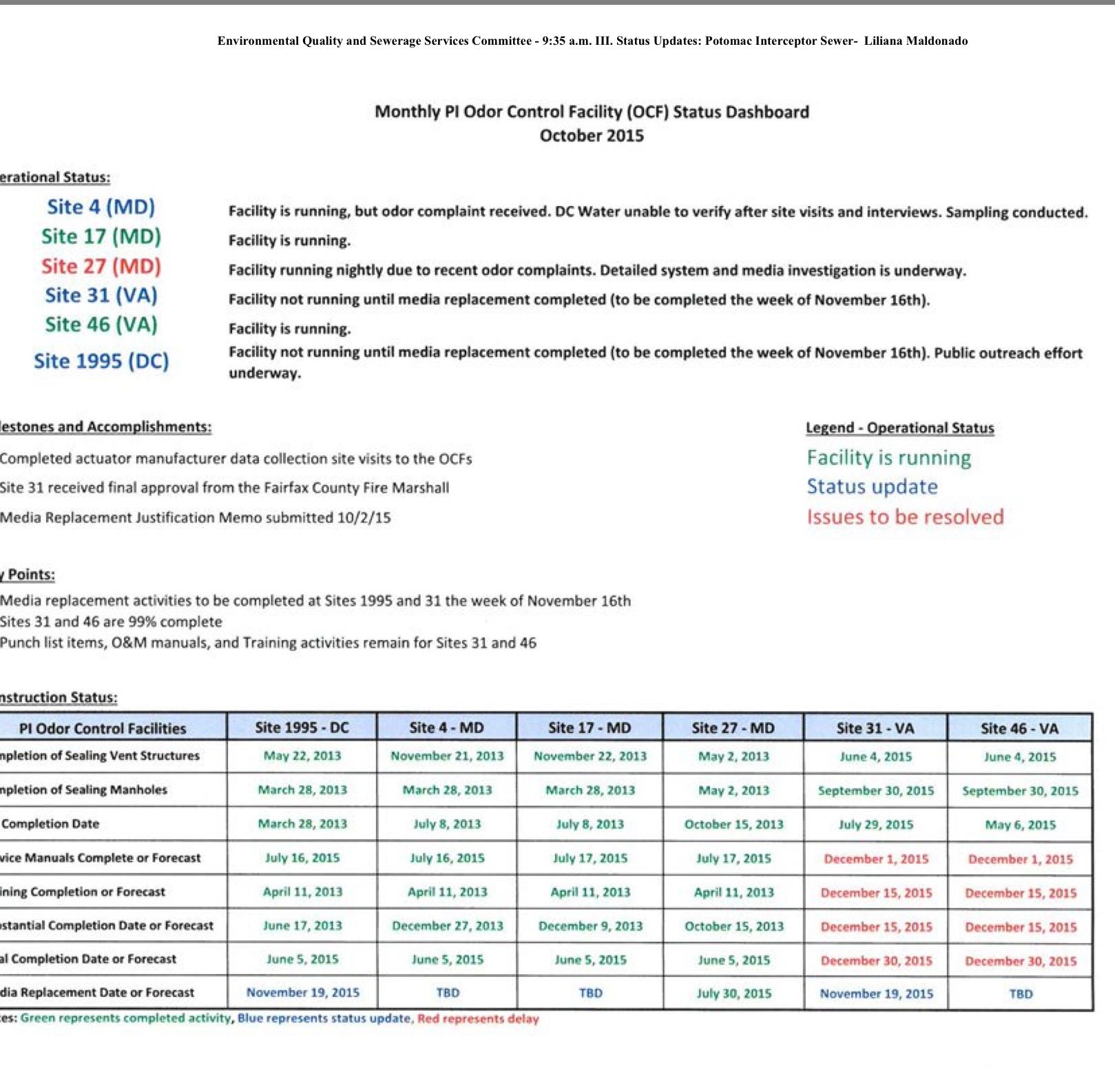
I’ll have a detailed explanation of the significance of OCF 17 behind, what else, the paywall! Here’s your chance. Upgrade to a paid subscription.
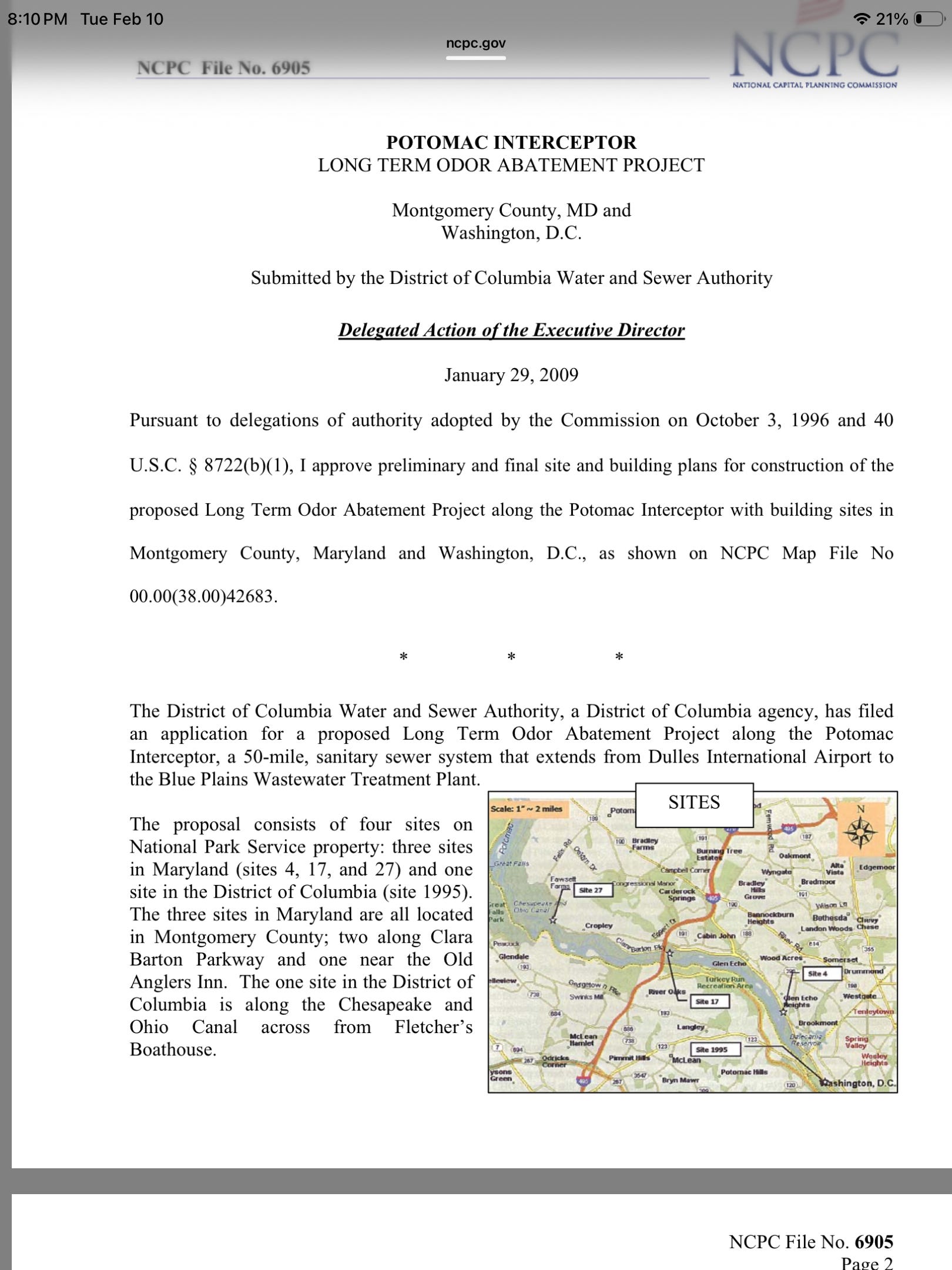
But first, here’s a screenshot of a map produced by D.C. Water that locates OCF 17, part of D.C. Water Sewer Authority’s long term odor abatement project, adjacent to the site of the collapse. Note that they began the odor abatement project in 2009.
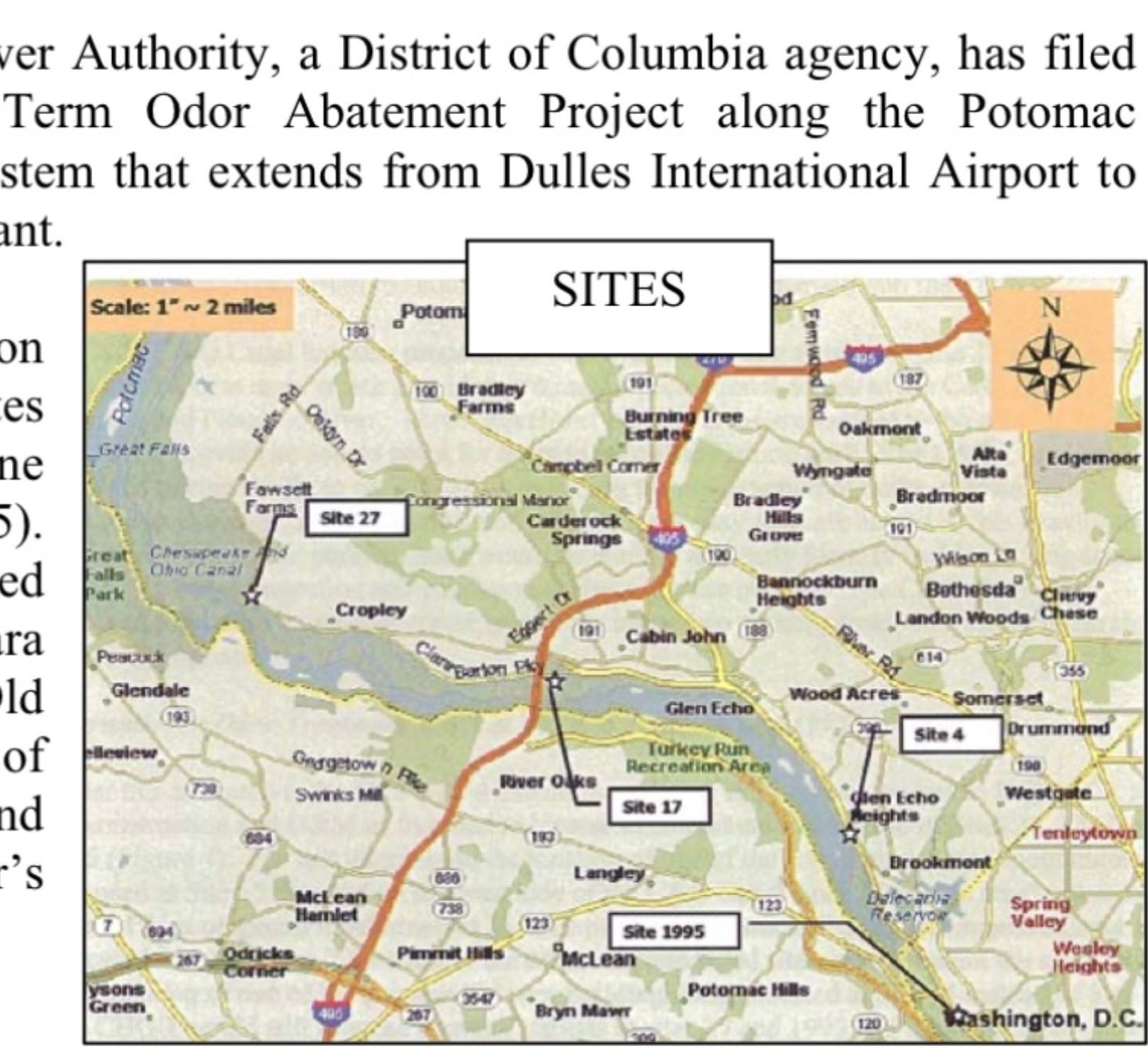
Here’s a close-up of how OCF 17 fits into the area along the Potomac River. The star on the map right next to the I-495 American Legion Bridge marks its location. As you can see, the Potomac Interceptor, which is almost exclusively located on national park land, follows the course of the Potomac River from Great Falls in Maryland on down through to the Blue Plains Advanced Wastewater Treatment Plant in Southeast, D.C. (not pictured).
And here’s my clarification of where the I-495 American Legion Bridge is in proximity to the pipeline break. The yellow highlighter lines I drew represent the footprint of the bridge.
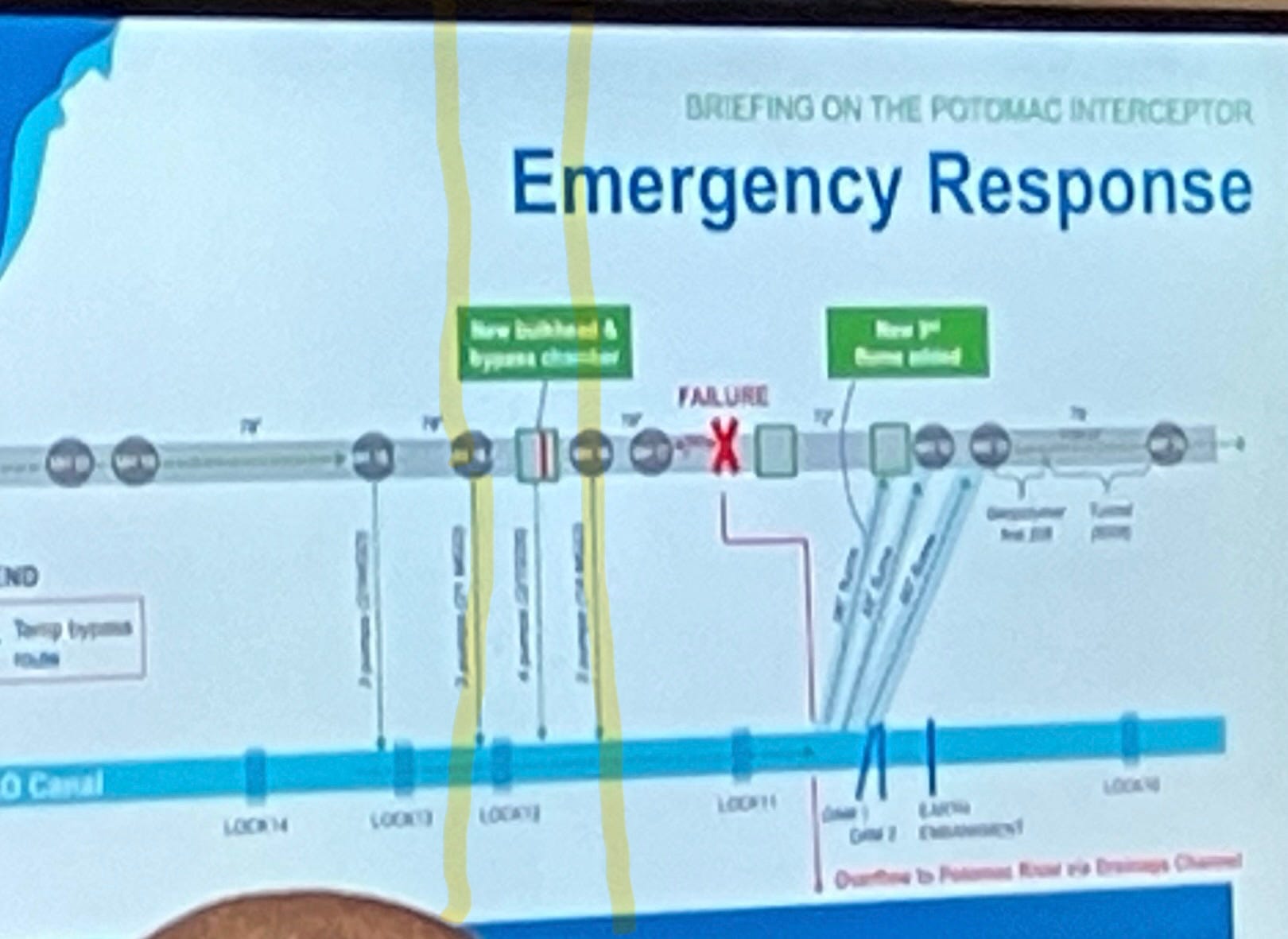
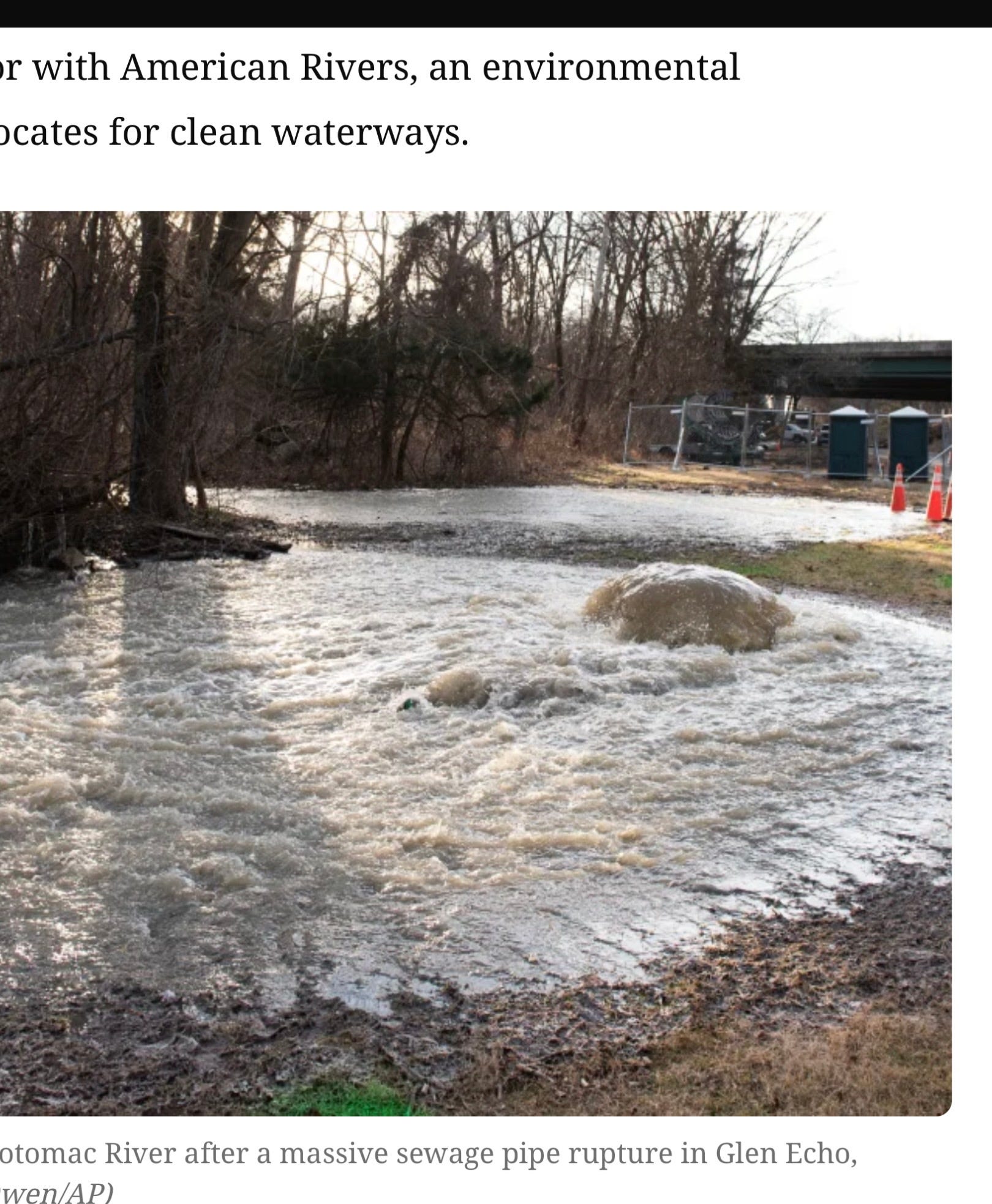
Hopefully, that offers a better understanding of the area around the collapse as it relates to OCF 17. One final view. Here’s the Associated Press photo that shows how the collapse occurred almost directly beneath the bridge.
Now, before I offer a more substantial explanation behind the paywall, here’s a shocking tidbit that I stumbled across yesterday as I viewed a video of the March 2nd sworn testimony by D.C. Water senior leadership before the D.C. City Council.
What you will see is Executive Vice President Kirsten Williams, the communications director who is also a lawyer, finally admit that D.C. Water first learned of the pipeline breach at 3:45 in the AFTERNOON! That is the first admission of that fact since January 19th.
Previous reporting, derived from D.C. Water, had indicated no one knew about the breach until 9:30 at night. Chief Operations Officer Matt Brown chimes in about that, as does CEO David Gadis. Not good. Frankly, with all their fumbling and excuses, these D.C. Water executives look extremely unprofessional.
To me, this calls into question everything about their official narrative on the collapse. More on that behind the paywall.
On the other hand, D.C. Councilman Charles Allen was impressive. He chaired the meeting and had some tough criticism for D.C. Water’s poor communications around their explanation of this event. I love how Councilman Allen subtly corrected (twice) Ms. Williams’ bizarre statement that 9:30 p.m. is in the afternoon.
I’ll have more about D.C. Water’s clumsy performance during this hearing in a future Substack.
Here’s a link to the full six hours of the hearing.
And here’s your last chance to upgrade to access the rest of the story..
